
Hospital billing isn’t simple. It’s layered, time-sensitive and often happens at the most critical moments – admissions, treatments and especially discharge.
In 2026, patients expect billing to be as smooth as the care they receive. But for hospitals, choosing the right payment gateway for hospital bills in India is not just a tech decision – it’s an operational one.
Because the wrong system doesn’t just slowdown payments. It slows everything.
What Makes Hospital Payments Different?
Unlike retail or e-commerce, hospital billing is complex and dynamic.
A single patient bill may include:
On top of that:
This means hospitals don’t just need a payment gateway – they need one that can handle multi-layered, high-value, real-time transactions.
The Risk of Choosing the Wrong Payment Gateway
Many hospitals adopt generic payment gateways without considering healthcare-specific needs. The result?
“In hospital billing, even a small delay can feel like a big problem.”
A payment system that works fine for online shopping may not work for a hospital environment.
Key Features to Look for in a Hospital Payment Gateway
Choosing the right gateway starts with understanding what actually matters in healthcare.
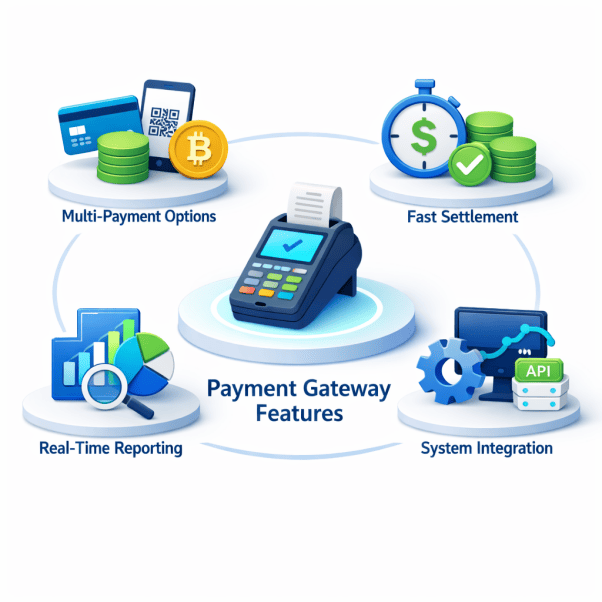
1. Multiple Payment Options
Patients should be able to pay using:
Flexibility ensures faster payments and fewer delays.
2. Fast and Reliable Settlements
Hospitals deal with continuous cash flow needs. Look for:
This directly impacts operational efficiency.
3. Seamless System Integration
Your payment gateway should integrate with:
This means:
4. Real-Time Reporting & Reconciliation
Finance teams need clarity.
A good gateway offers:
No more chasing spreadsheets.
5. Support for Split & Partial Payments
Healthcare billing often involves:
Your gateway must support these without friction.
Security & Compliance: Non-Negotiable
Hospitals handle sensitive data – both medical and financial.
Your payment gateway must ensure:
Security isn’t just about protection – it’s about patient trust.
Real-World Example: Upgrading the Billing Experience
A multi-speciality hospital in Gujarat faced frequent issues:
After upgrading to a healthcare-ready payment system:
Most importantly, patients experienced a smoother discharge process.
Why GenixPay Works for Hospital Billing
GenixPay is built with the realities of Indian businesses – and healthcare workflows – in mind.
It enables hospitals to:
Whether it’s a standalone hospital or a multi-location chain, GenixPay adapts to operational complexity without adding friction.
Final Thoughts
In healthcare, billing is more than a transaction – it’s part of the patient experience.
Choosing the right payment gateway can:
“The right payment system doesn’t just process bills – it removes friction from care.”